
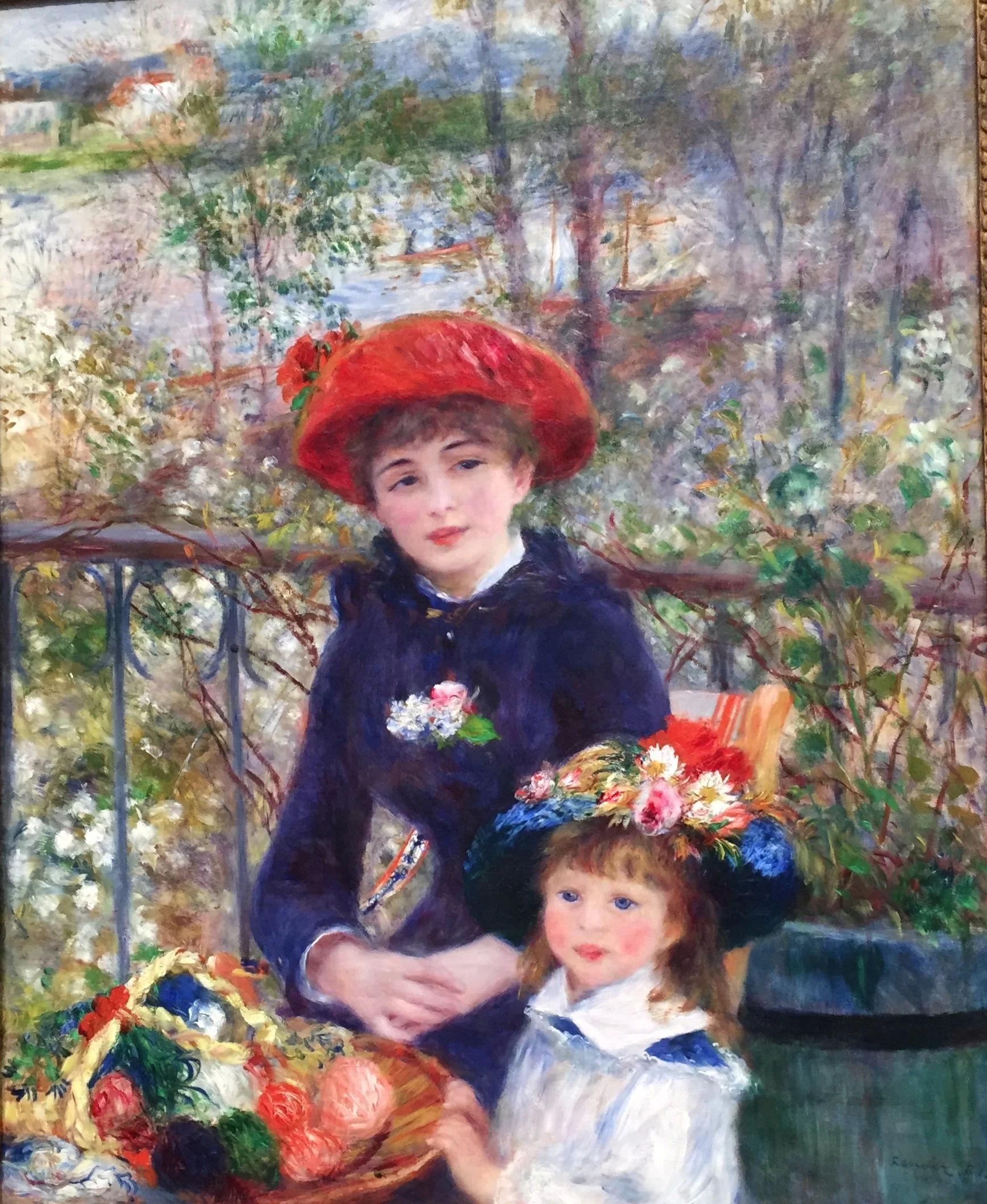
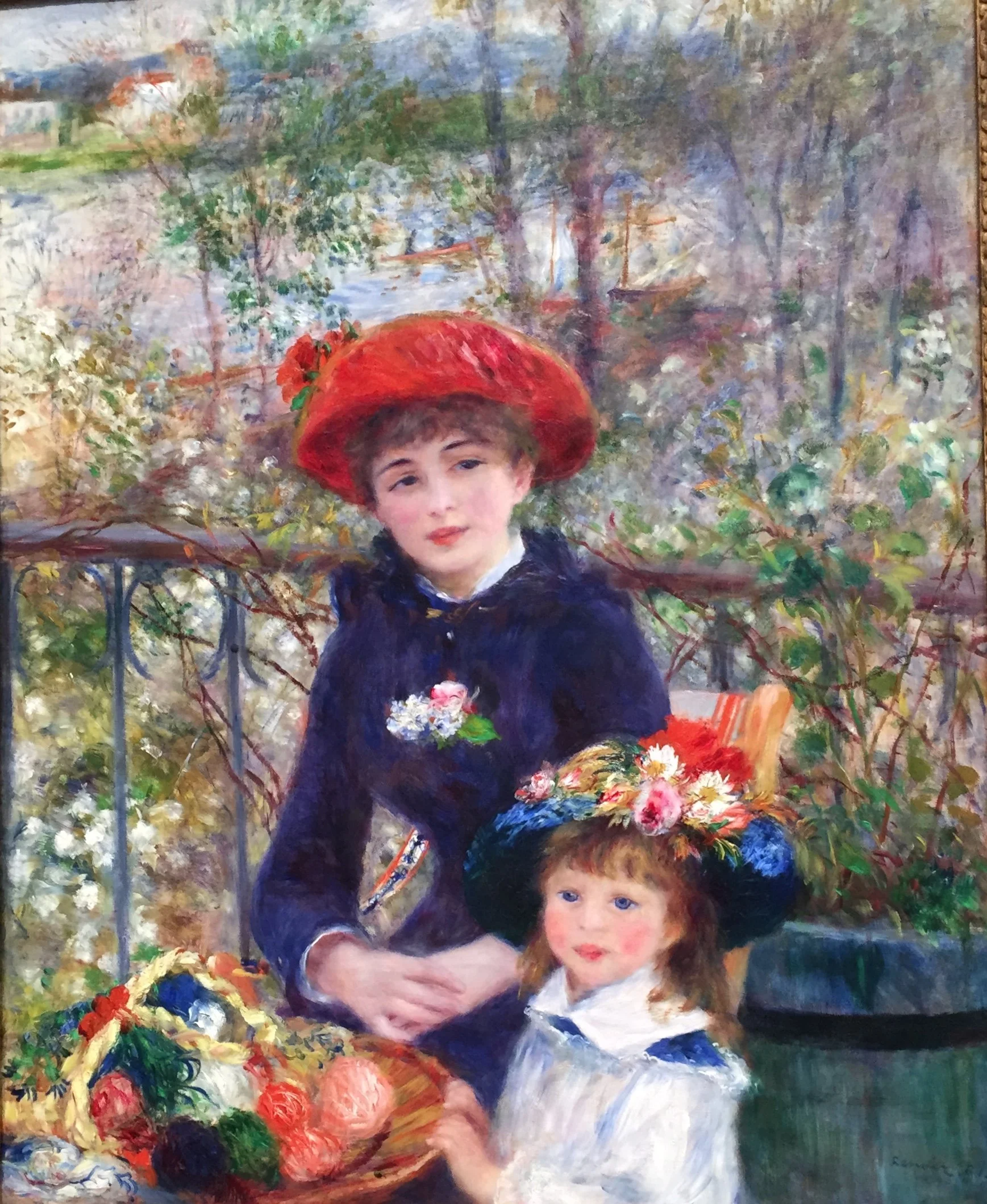
Two Sisters (On the Terrace) by Pierre-Auguste Renoir. Art Institute of Chicago. A long-time favorite.
As I look through all the pictures I’ve taken these last ten years of Glimsen, I’m amazed at the number of photos from art museums and galleries. Everything from my old favorites (like the Renoir above) to new ones, from the fascinating to the strange. And a few that just made me smile, like the Coca-Cola exhibition at the High Museum and the Andy Warhol exhibition with his Campbell’s soup cans.
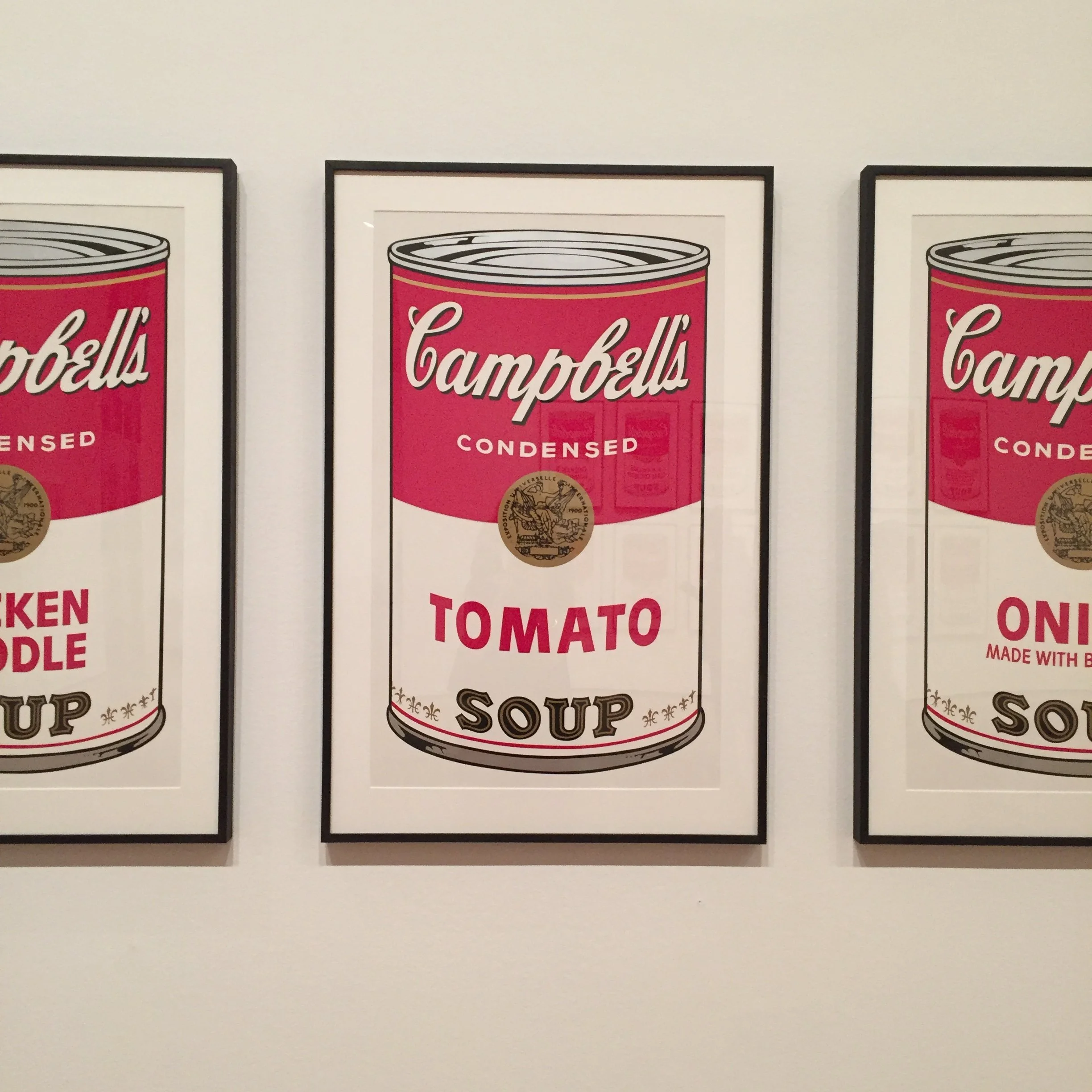
Andy Warhol exhibition, High Museum of Art.
When is the last time you went to an art gallery or museum? Contrary to popular belief, you don’t have to an art critic or scholar or aficionado to enjoy visiting one.
There are many excellent reasons to go see art, such as: it sparks our imagination, lowers our stress levels (who doesn’t need that?), expands our perspective, and allows us to learn at our own pace.
When I go, I am inspired by what I see and learn. I’m astonished by artists’ skill and giftedness and fascinated by their methods. And I am often moved by beauty. When I leave, I am refreshed in mind and spirit. That’s more than enough to keep going back.
Now, what about you? Is it time for you to put a gallery visit on your calendar? I hope so.
As you make your plans to go, here are seven things you can do to further enrich your experience there.
1. Spend a few minutes ahead of time reading about the art, artist, or movement that you are going to be viewing. When you go in with at least some knowledge, chances are you will enjoy your visit more. In college, I took an introductory art appreciation course as an elective. What a worthwhile investment of both tuition dollars and credit hours. I was already interested in the subject matter, but the professor, knowledgeable and enthusiastic, made the course and the works come alive. My favorite movement was French Impressionism, and I soaked in all I could about the art and the artists’ lives. All these years later, that course shines in my mind as a highlight of my education, and I’ve called upon that knowledge in most every museum I’ve ever visited.
That said, you don’t have to take a course or read a book or study photos ahead of your visit to the gallery—and if it’s an emerging artist, you may not be able to do so anyway. But spending a little time on Google beforehand will help you know what to look for. And chances are, it will add to your enjoyment once you’re there.
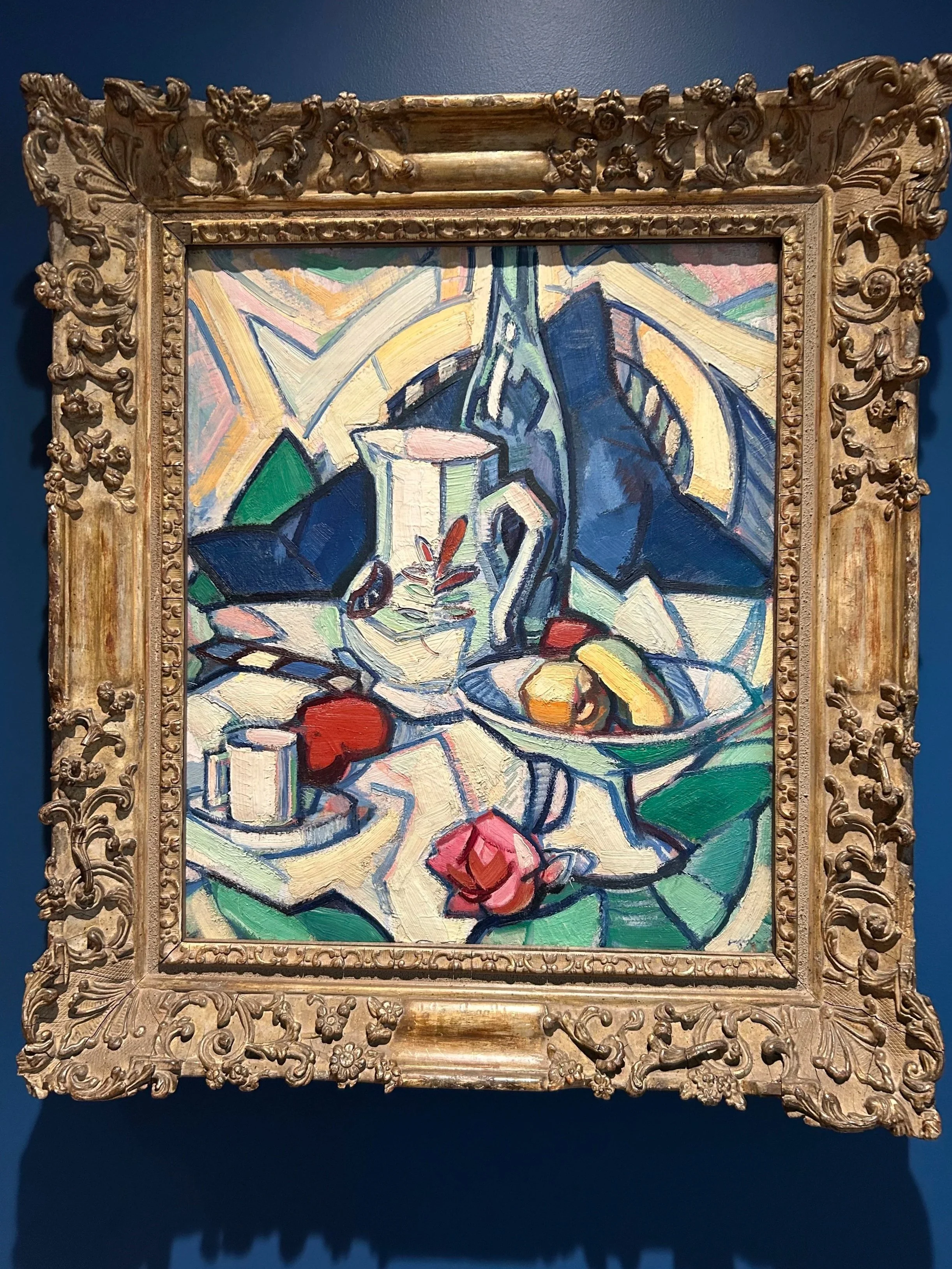
Still Life by Samuel John Peploe. National Galleries of Scotland.
2. Listen to the audio tour if one is offered. The tours are often available for free, or for a nominal fee. Sometimes Mart and I don’t have time for a full tour, but whenever we do, I’m almost always glad of it because of what I learned.
Keep in mind that the kids’ tour, when available, is more fun. At some museums I’ve visited, the adults’ and kids’ tours are available on the same headsets (or link on your phone). Once, I was not particularly interested in what I was hearing on the adult tour so I switched to the kids’ version. I remember the narrator saying, “Can you find the apple in this painting? What is the man in the blue hat doing?” It gave me a whole different perspective on how important the smallest details can be to the whole of a painting. I try to capture small details like that in the photos I share here on Glimsen: a bee feeding amongst several flowers or tiny pinpricks of light on a distant mountain.
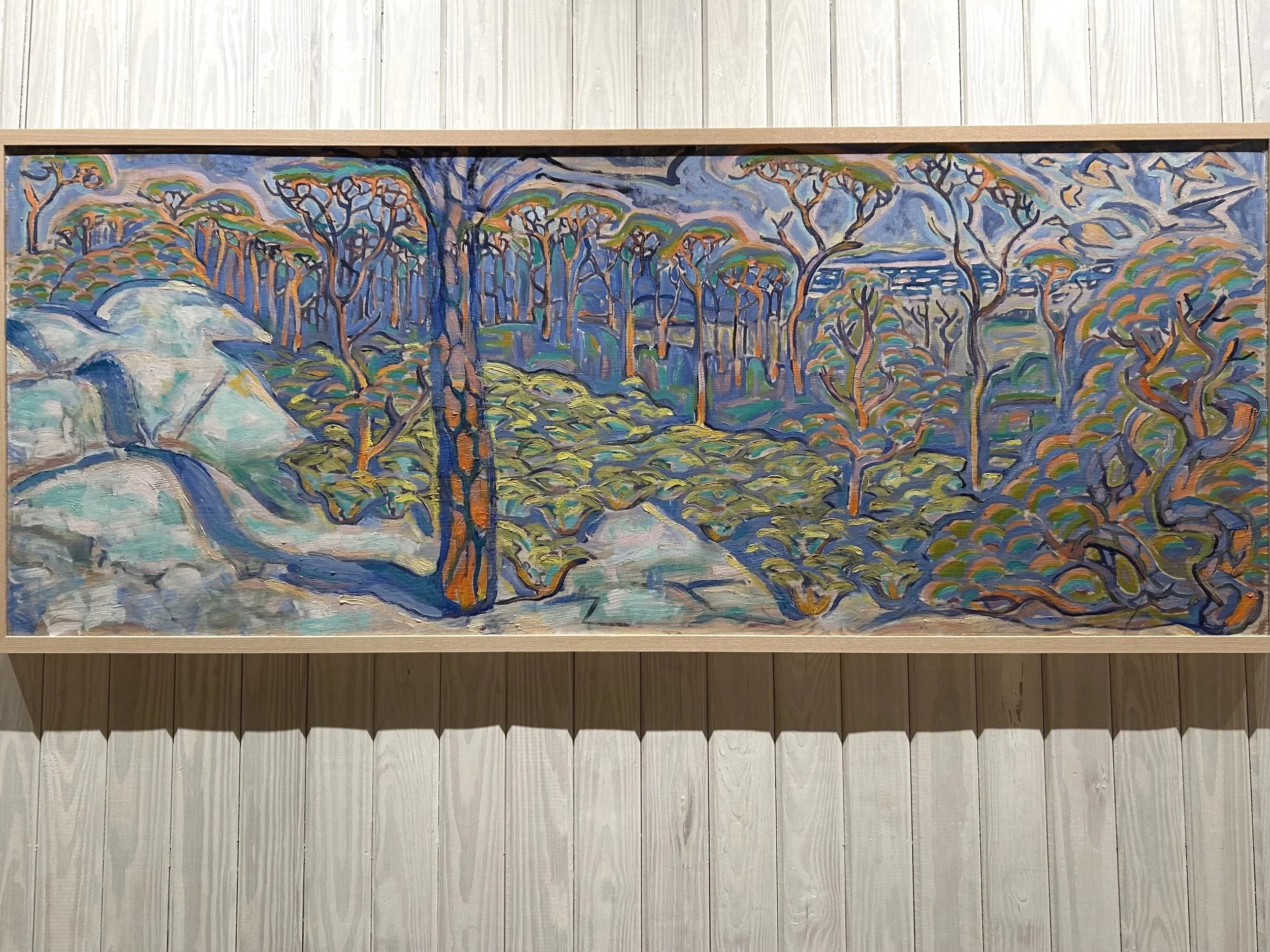
Horn Island (at Sunset) by Walter Anderson. Walter Anderson Museum. Ocean Springs, MS.
3. Choose a favorite piece of art (or even your top two or three) and be prepared to explain what you like about it. Every time my husband Mart and I visit a museum, we take note of our favorite pieces. When we’re finished, we stop by the gift shop to see if we can find our favorites in the form of a postcard or notecards. After that, we walk to our car or a cafe for lunch. As we walk, we talk about which pieces of art stood out to us and why. The why could be the subject of the art or the skill of the artist or the method(s) he or she uses. It can be simple as the colors on the canvas, the lighting in a photograph, or the detail of a sculpture.
Years ago, when we visited the Museum of Modern Art in NY (MoMA) with friends, we played this little game with them. One friend is a painter, the other an actor and director. They not only took our question seriously, but we found their choices and explanations thought-provoking and “talk-provoking” too. (Hopefully they felt the same way about ours.)
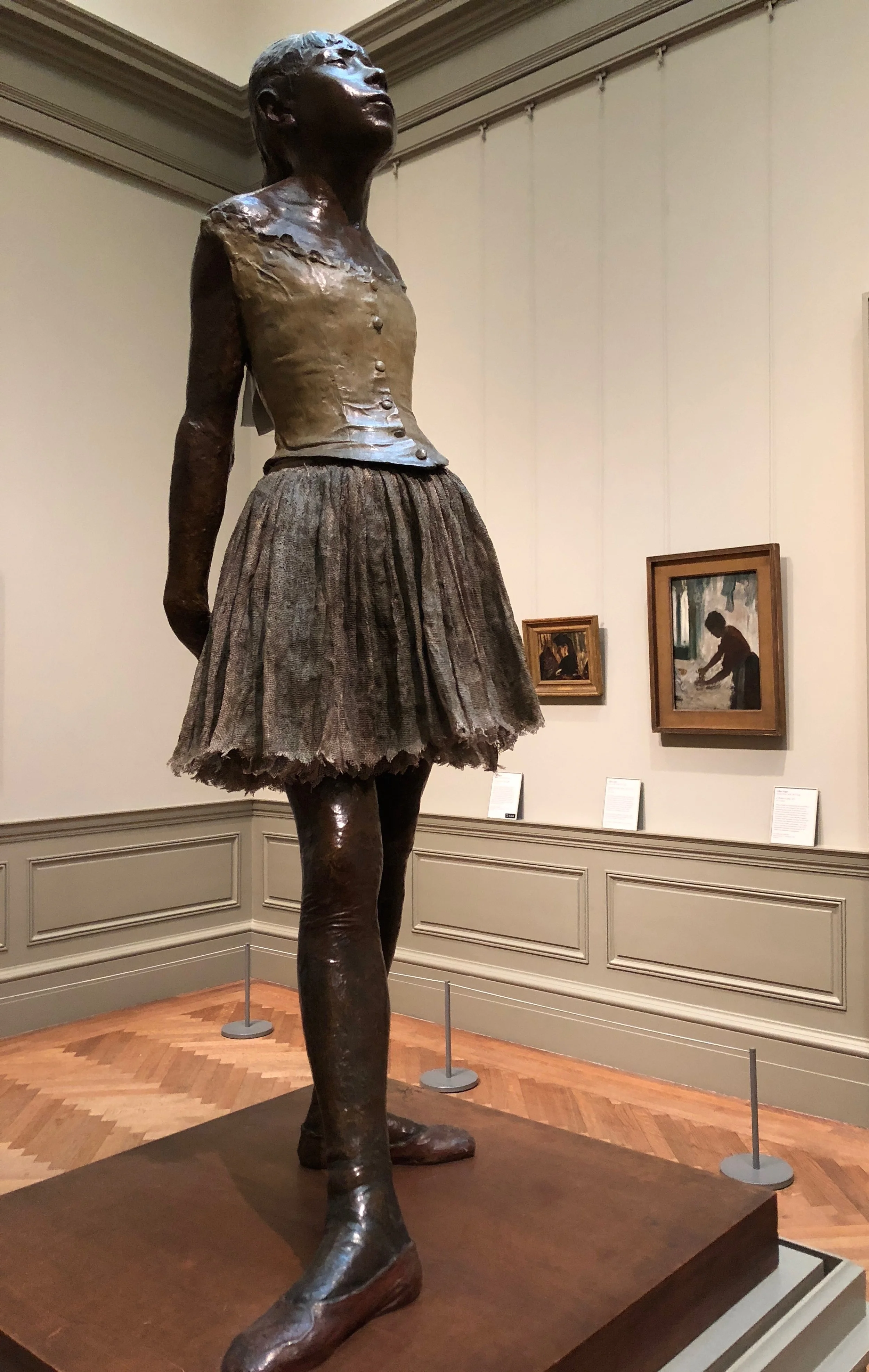
The Little Fourteen-Year-Old Dancer by Edgar Degas. I saw this at the Met on a family girls’ trip to NY. One of my nieces was a dancer, so this was a special moment for her.
4. Ask a gallery attendant a question. I always try to make eye contact with and smile at the attendants, so that they feel seen, especially since the rest of us are there to see the art, not the people. Occasionally, I ask a question about the art or the exhibition. A few times, I’ve asked what their favorite piece of art is. After all, they spend all their time with it. I’ve gotten some interesting comments and observations that I wouldn’t have known otherwise. I especially enjoyed talking to one attendant at the Frick Collection in New York, the day before the museum closed for the Covid shutdown.
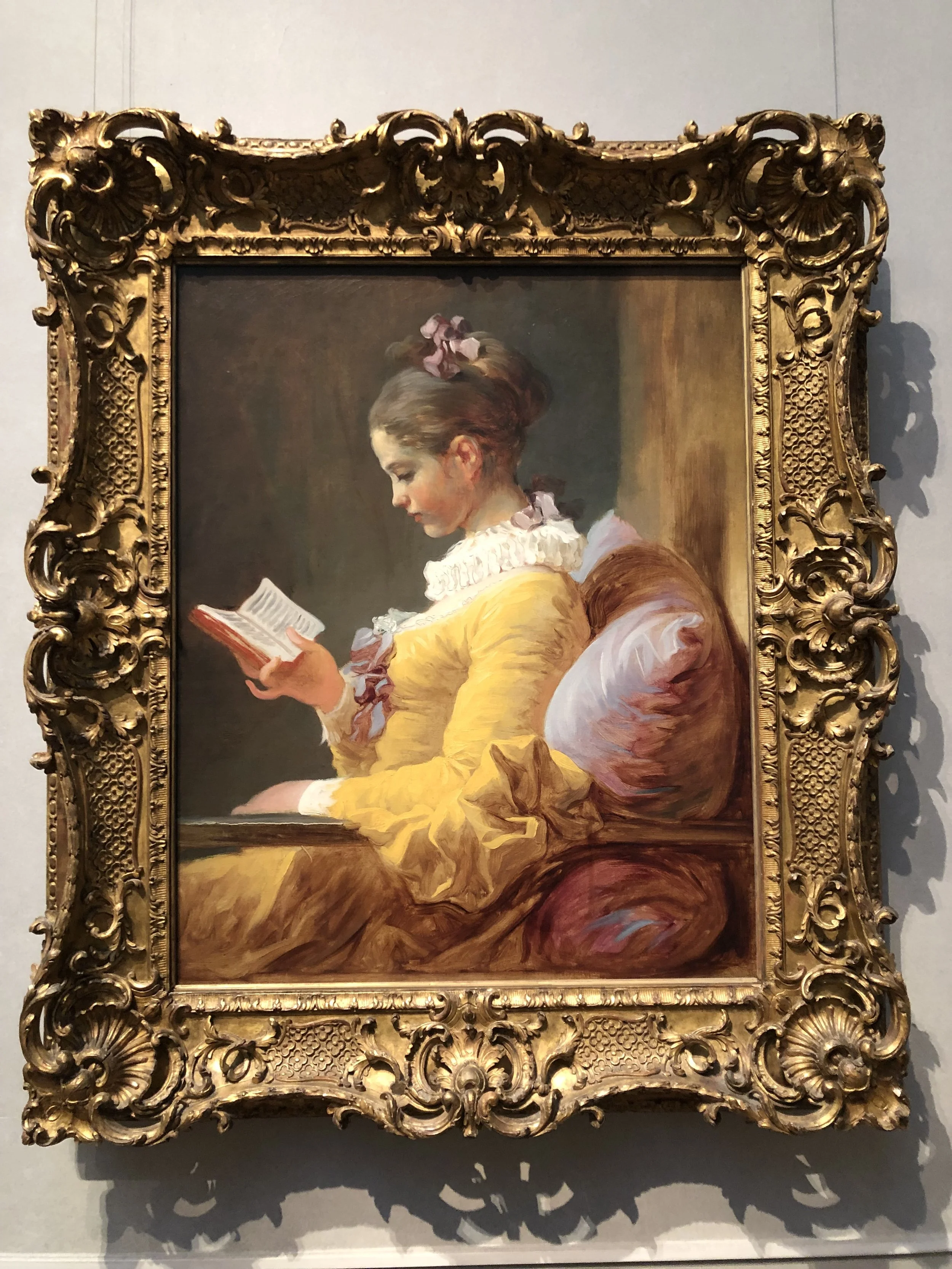
Young Girl Reading. Fragonard. National Gallery of Art.
5. Make up your own title for a piece of art. I recently wrote about this. One of my favorite paintings of all time is a very serious Scottish man ice-skating in a suit and top hat. It makes me smile every time I see it. I call it “Serious Fun.” You can see the painting and read about it here.
It’s also fun to come up captions for the art. For example, I took this quick snapshot of a bust of a dignitary in a wig in the 1600 or 1700s. Was he an attorney or judge? A nobleman? Someone who aspired to one of those positions? I didn’t know, but I certainly admired his curls. I texted the photo to my niece, who also has curly hair, with the caption, “Now those are some serious curls.” She laughed too.
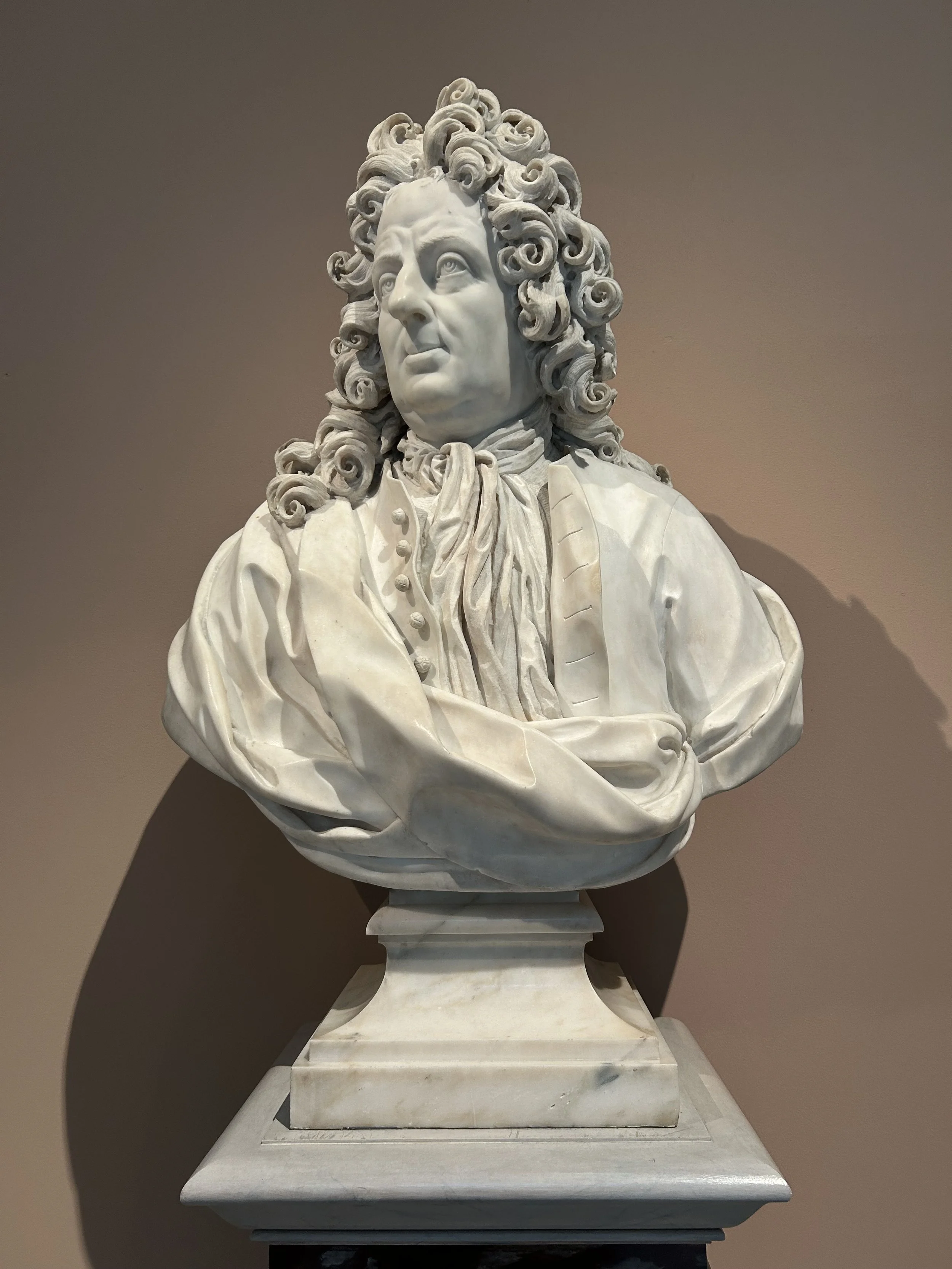
The Metropolitan Museum of Art. Forgot to get the name of the art and artist, which is why I’m suggesting you to do so.
6. If permitted, take photos of the art you like so you can keep coming back to it later. This is obvious, I know, but just make sure that you’re allowed to do so. I also take photos of the descriptions beside the art so I have the artist’s name, dates, and sometimes, details of how it was created.
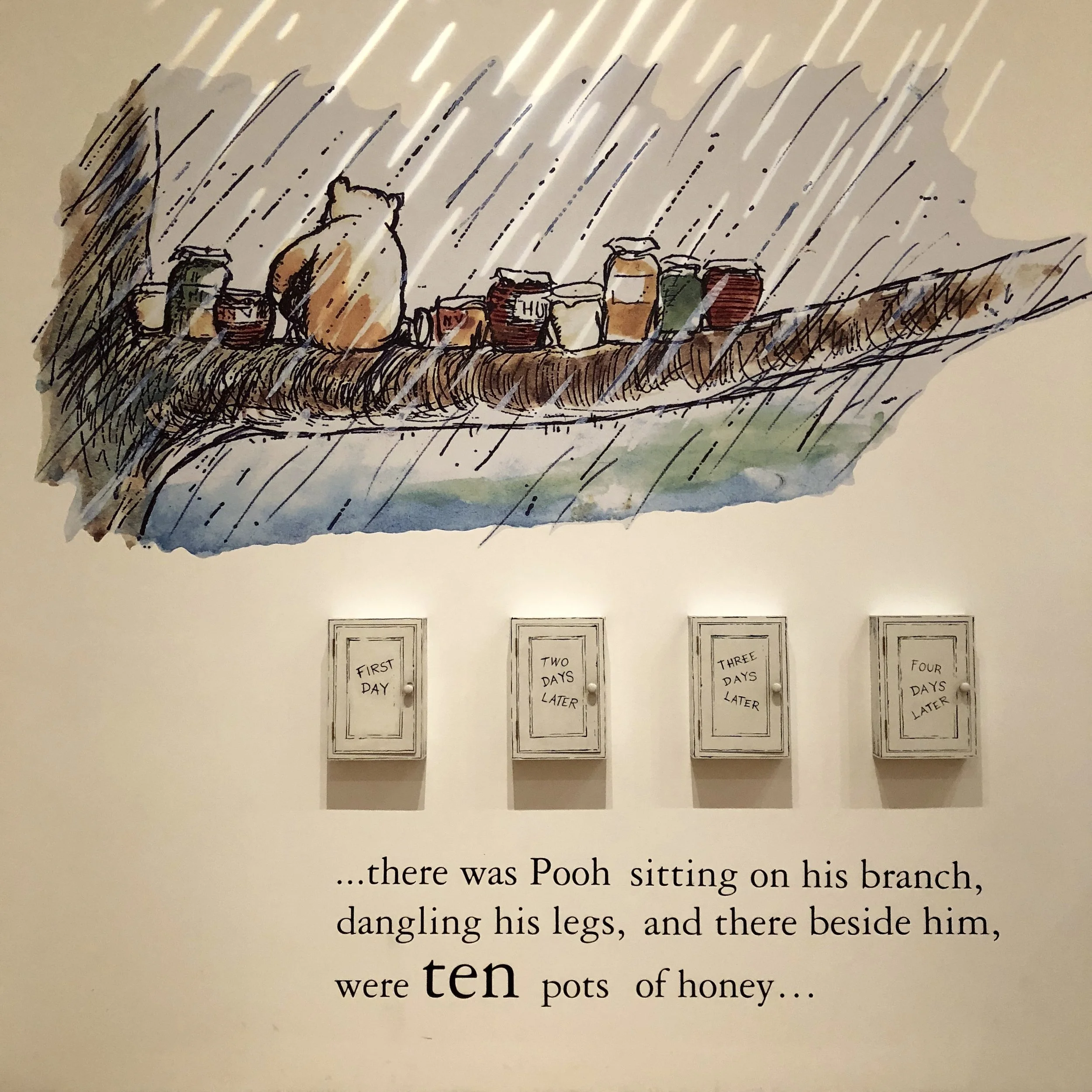
From Winnie the Pooh: Exploring a Classic. 2018. High Museum of Art.
7. If you have kids or grandkids, be sure to check out the children’s areas and exhibits of your local museums. Most museums we’ve visited have coloring pages, activity sheets, story starters, and interactive displays for kids. One museum I took my daughter to when she was a toddler had a dress-up station. She loved it, and we had a fun afternoon.
Art museums and galleries can seem intimidating or snobbish or even boring, but there are lots of ways to make an experience of viewing art your own and to have a good time doing it. And when you do, you may find some beauty that stops you in your tracks—like I often do.
This post was inspired by a brochure I picked up at the National Galleries Scotland (national galleries.org).