
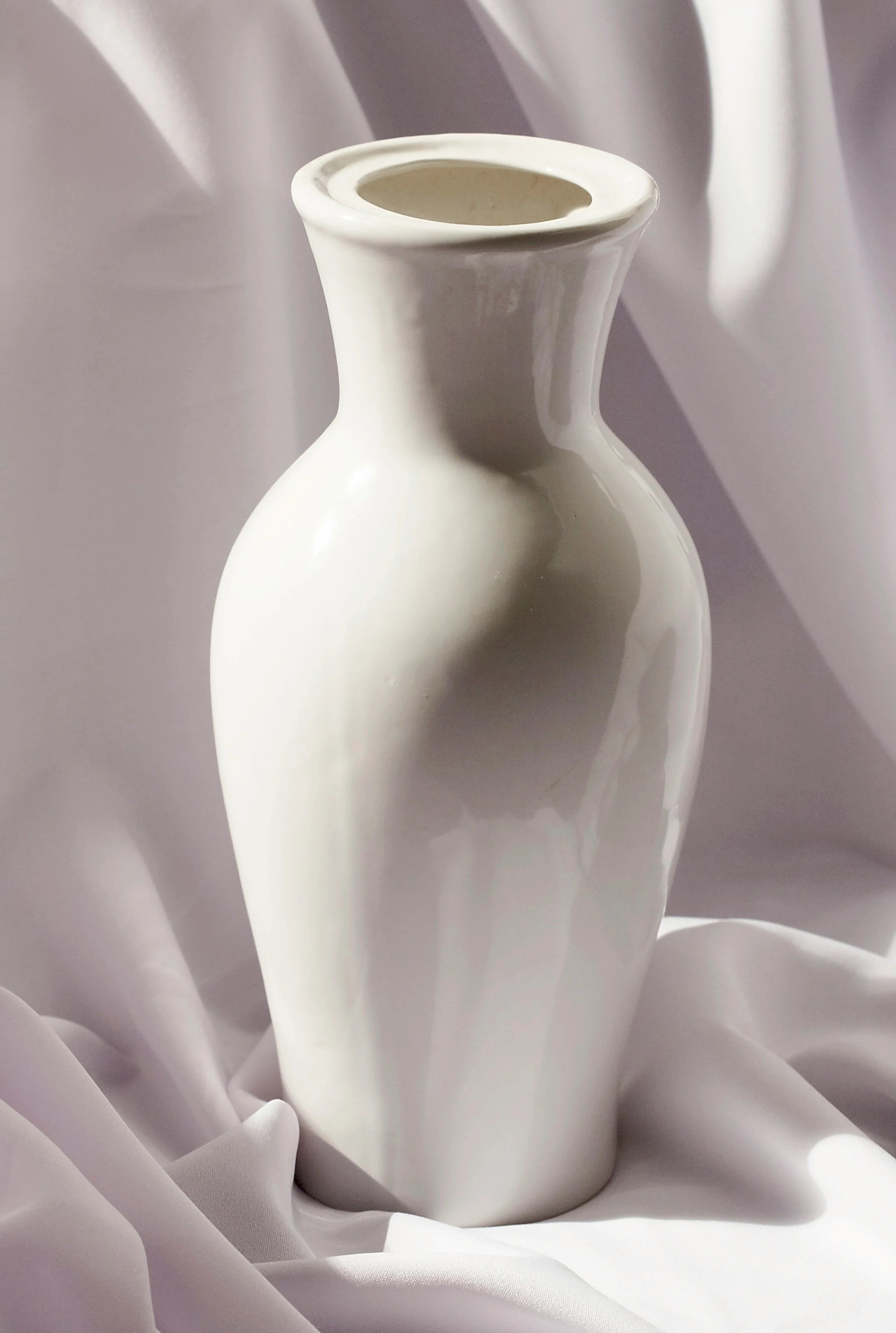
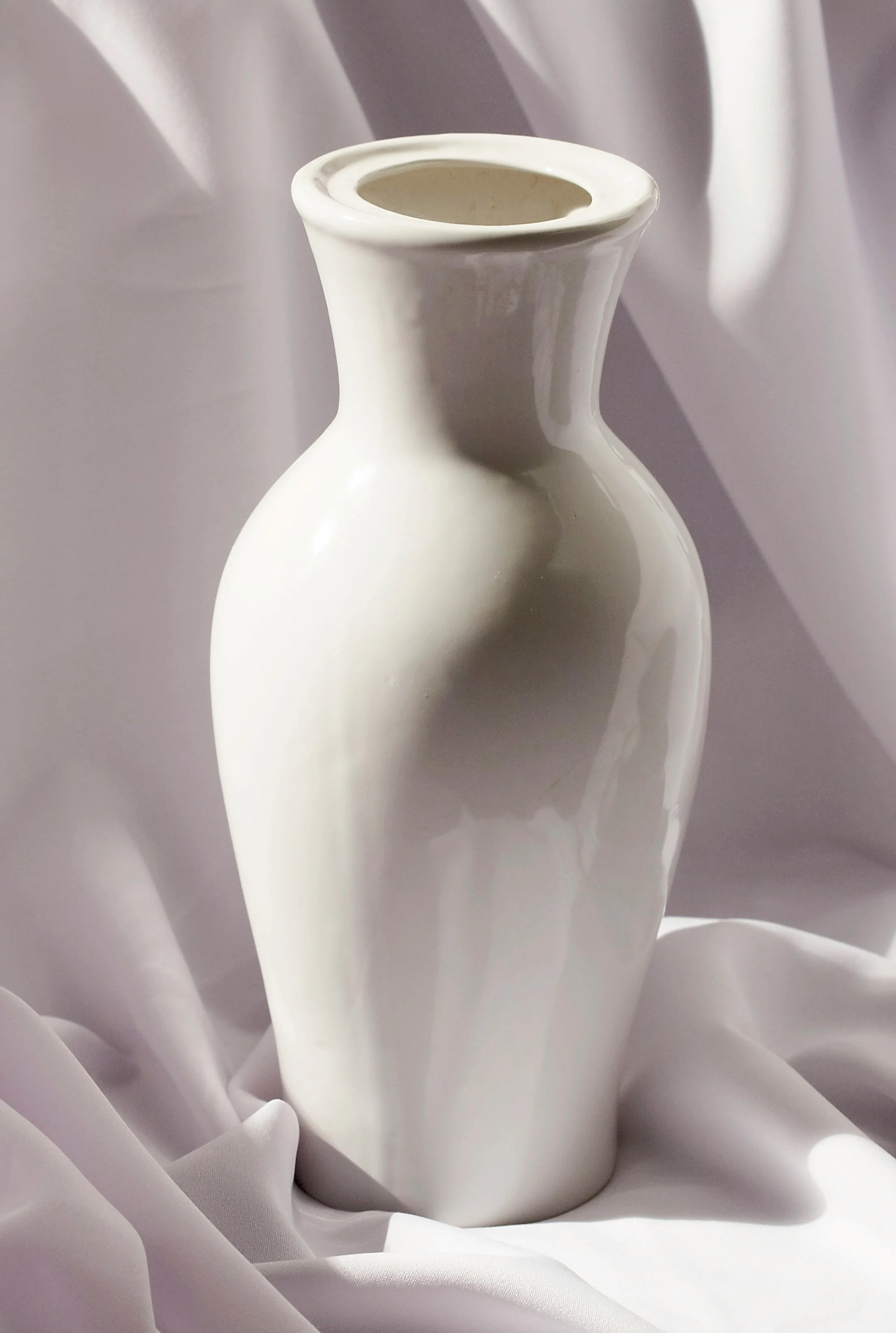
Once there was a woman who owned a fragrance she had never used. It was so expensive, she didn’t dare wear it. She was saving it for a special occasion.
One day, that special occasion arrived in the form of a dinner party. The woman wasn’t invited—it was for men only—but she came anyway, purpose in her stride, the jar of perfume in her hands.
She came seeking the guest of honor, Jesus, her dear friend, her beloved Lord.
In Mark chapter 14 of the Bible, we see that this woman somehow gained entrance into the room where the dinner was being held. Perhaps the guests thought her to be a servant. She was a servant in a way; she had come to serve Jesus.
Working her way around the table, she saw his dear face and approached him. She had eyes only for him. Did she say anything? Did he greet her? Did she whisper his name? The narrative doesn’t say, but we know that he was precious to her. More precious than the treasure she held in her hands.
Anointing someone’s head with oil or perfume was common during banquets in Bible times. It was a way to show honor, and this woman wanted to honor him. So she took her alabaster jar, broke it, and poured it out over Jesus’ head.
The entire jar.
As the oil flowed down his hair, the fragrance filled the room. It didn’t smell of flowers or gardens. Rather, it smelled strong, a combination of sweet/spicy/musky notes that came together in an earthy, organic scent. Likely spikenard, from a plant that grows in the Himalayas, the perfume was hard to obtain and therefore costly.
The woman didn’t know Jesus’ death on the cross was just days away, but I believe she knew who he was—the Son of God—and she loved him. Her gift foreshadowed the ultimate sacrifice he would soon make. It was reverent, radical, and right, fit for a King.
Such a strong scent encased in oil would have lingered in his hair, perhaps even a few days later, when the cruel, makeshift crown was shoved upon his head, the thorns causing his blood to mingle with the oil that anointed him.

The intimacy of the woman’s act along with the fragrance filling their nostrils made the others uncomfortable, even angry. Is she crazy? What a waste! Who let her in anyway?
After all, they pointed out, that perfume could have been sold for a handsome price and the money given to the poor. Or, rather, to line the pockets of Judas, Jesus’ friend-turned-traitor.
Maybe for some of the dinner guests, the woman’s expensive gift showed the state of their hearts: an unwillingness to honor Jesus themselves or to give him something so costly. For the disciples among them, perhaps their pride was wounded or their hearts sore that they didn’t think of honoring him first.
But Jesus defended the woman against a room full of critics castigating her, telling them that she had done a beautiful thing for him. She had poured out her best, and he commended her for it.
Rather than a waste that could have been used elsewhere, it was a cherished treasure freely lavished upon her Lord.
It’s not that Jesus didn’t love the poor. Scripture brims with commands to help the poor, and Jesus himself loved, fed, and spent his life among them.
But Jesus' time was short, so he wanted the people to focus on him. After all, very soon he’d be going to the cross. Very soon, his blood would be poured out in an extravagant act of love that is hard to comprehend.
He would give his life freely in a criminals’ death so excruciating that the thought of it can hardly be borne. Not because of his own sins but for the sins of the world—for the woman who anointed him, the dinner guests who objected, for me and for you. For anyone who comes to him looking for forgiveness, for life, for a love that never dies. That’s what makes Good Friday good.
And on Easter, we celebrate not his death but his resurrection. He rose again.
Death could not hold him, and it can not hold anyone who believes in him. Though we die, yet shall we live with him, forever.
So at Easter and every day, when we know him, we give thanks for the new Life that he made possible.
It’s a beautiful thing—the most beautiful of all.
Is this story new to you? What do you think of Jesus' sacrifice? I'd love to know. Leave me a comment, or email me at glimsenblog@gmail.com.
Are you receiving my blog posts in your inbox? Here at Glimsen, I share glimpses of the beauty around us in nature, the arts, and the unexpected. If you like what you see, click the button below to receive my posts and updates by email, and you'll also get a free gift of beauty in your inbox (see below). I look forward to connecting with you!
Photo of jar by Sergey Semin on Unsplash
Photo of bread and fruit by Elmer Cañas on Unsplash
Photo of thorns by Kelly Sikkema on Unsplash